a trip to brighton and its unforeseen implications for my practice as a digital designer
i took my leica out to london summer with me, the fabled london summer, the one i’d spent six months hearing about but never quite believing in. i’m from delhi; i know what winter is supposed to feel like. what i got instead, for the better part of a year, were sunless months that nearly broke me. not the cold—i can do cold—but the grey. my friends and i took a train to brighton, where the warmth finally hugged me. we got food and drinks, and almost comfortably spent five hours mounted on brutalistic stones.
i came back feeling jazzed, ready to work. i dreamt about filmmaking. felt straight out of an andré aciman novel, sun-drunk and full of plans. then i remembered i pay for a claude subscription and decided to let it edit the video footage i got of brighton to make a travel documentary. my instructions, verbatim: “make it look like it’s shot on an expensive film camera, film-festival style. edit it so it looks hand-edited.”
hand-edited. hand-edited.
sounded almost like “handcrafted.” “hand-embroidered.” “hand-done.” these are phrases that belong on the tags of expensive things: objects that want you to know, before anything else, that a human being has touched them.
i’m doing my master’s in graphic-communication design at central saint martins, which means i spend a probably unhealthy amount of time thinking about what happens to my trade when the machines get good enough. the discourse, at the moment, is mostly defeated. people are bracing rather than adapting. and while the anxiety makes sense, and has always made sense whenever a new technology threatens an old skill, i can’t stop myself from looking for the version of the story where it works out. where there’s still room for the person who does the thing by hand.
so here’s the question i can’t put down: now that i’ve specifically asked a.i. to make something look “hand-edited,” does that make me—a hand editor myself—a luxury resource?
the parallel is craft. when machinery was introduced to textile production, people were opposed, worried, and for the right reasons. they would lose their livelihoods, and they did. but what happened after? in india, the handloom sector still employs over 3.5 million weavers, making it the country’s second-largest employer in the unorganised sector after agriculture (ministry of textiles, fourth all india handloom census, 2019–20). and yet the average monthly income of a handloom weaver hovers around five thousand rupees, roughly fifty pounds. craft remains stubbornly inexpensive to produce, given india’s exploitative relationship with its own labour, but it has become expensive to mean. it is kept alive in narrative by the privileged and their costly educations, which train them to romanticise what came before, and by their need to own something singular, something made from blood, sweat, and tears. craft, in this sense, has become a luxury good. not because of what it costs to make, but because of what it signals to own. something you get to have when you have everything else. something the élite want precisely because it no longer makes sense for the common person to bother with. an artifact of gatekept taste.
i know this, because i’ve been on the wrong side of it. when i was much younger, i bought myself a chikankari kurta from janpath in delhi. when i got it home, my mother frowned. “this is machine work,” she said. i dismissed her. assumed she was hating from outside the club of machine work, not knowing which club i was actually standing outside of. years later, i was working at a luxury fashion publication when someone glanced at the same kurta and asked, casually, “but this is machine work, no?” i had outed myself as middle class and, by implication, not entirely worthy of being in the room. what i understood then, and what i wish i’d understood at janpath, is that the line between machine and hand has never really been about quality. it’s about who can read the difference, and what that reading says about you.
this same sorting is now playing out across luxury fashion, in real time. dolce & gabbana—a house not typically associated with the “classy” set, and comfortable with that position—has been open about embracing a.i.-generated imagery. hermès has gone the other way entirely. they refuse to indulge in anything produced at the speed of instant ramen, and this applies to their campaigns as much as their products. in 2025, Hermes commissioned nearly fifty artists to create hand-illustrated, hand-animated content for instagram alone. annie choi, an animator whose portfolio includes studio ghibli and loewe, made viral reels in which objects unfold into surreal, handmade dreamscapes. maría jesús contreras, a chilean surrealist, turned their products into technicolour hallucinations. for their 2026 “venture beyond” campaign, they handed the entire visual identity to linda merad, a pen-and-ink illustrator whose work has appeared in the new york times and the atlantic. she drew twelve illustrations for the homepage. twelve. by hand. while other houses are cutting campaign turnaround to hours, hermès is spending months on a single illustrator’s vision.

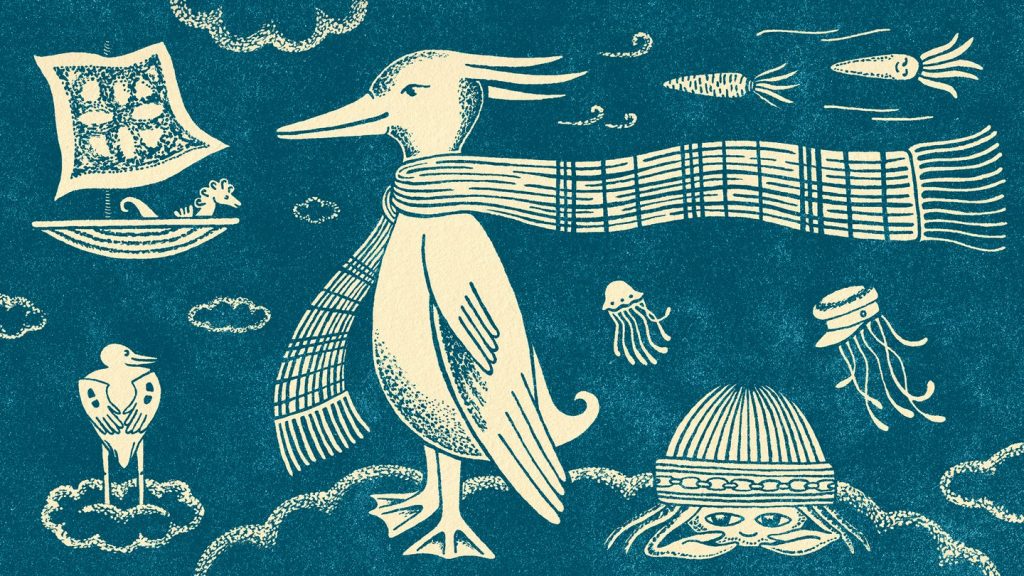
and this gets me to time. time is the only indicator of wealth that a.i. cannot replicate. you can generate an image in four seconds. you can edit a film in a minute. you can produce a hundred logo variations before lunch. but you cannot fake the hours. i’m being led to believe that as long as time remains the primary marker of value, human-made digital design can’t fully go out of business. it can, however, end up where craft and print ended up: in the lap of the rich.
references:
ministry of textiles, government of india. fourth all india handloom census 2019–20. new delhi, 2020.
merad, linda. “venture beyond.” hermès campaign, 2026. itsnicethat.com/articles/linda-merad-hermes-illustration-project-090426
“hermès keeps the creative fires burning: nearly 50 artist commissions in 2025.” luster magazine, july 2025. lustermagazine.com
“hermès’s hand-illustrated website is the ultimate luxury.” fast company, 2026. fastcompany.com/91471305
“madonna & photographer steven klein called out for ai-generated dolce & gabbana video.” just jared, 24 feb. 2026. justjared.com
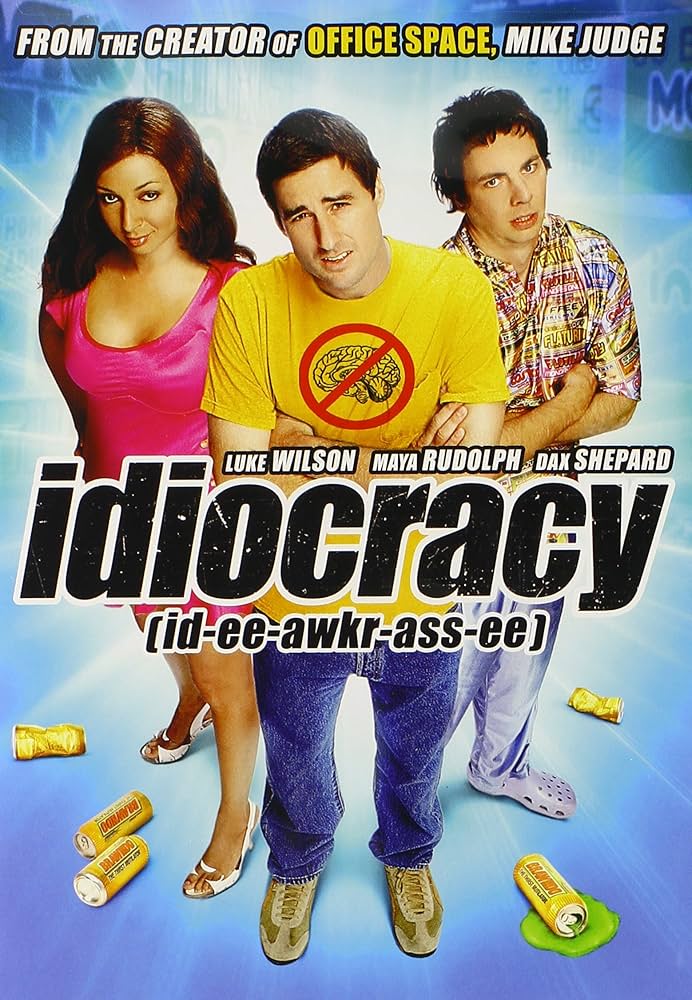
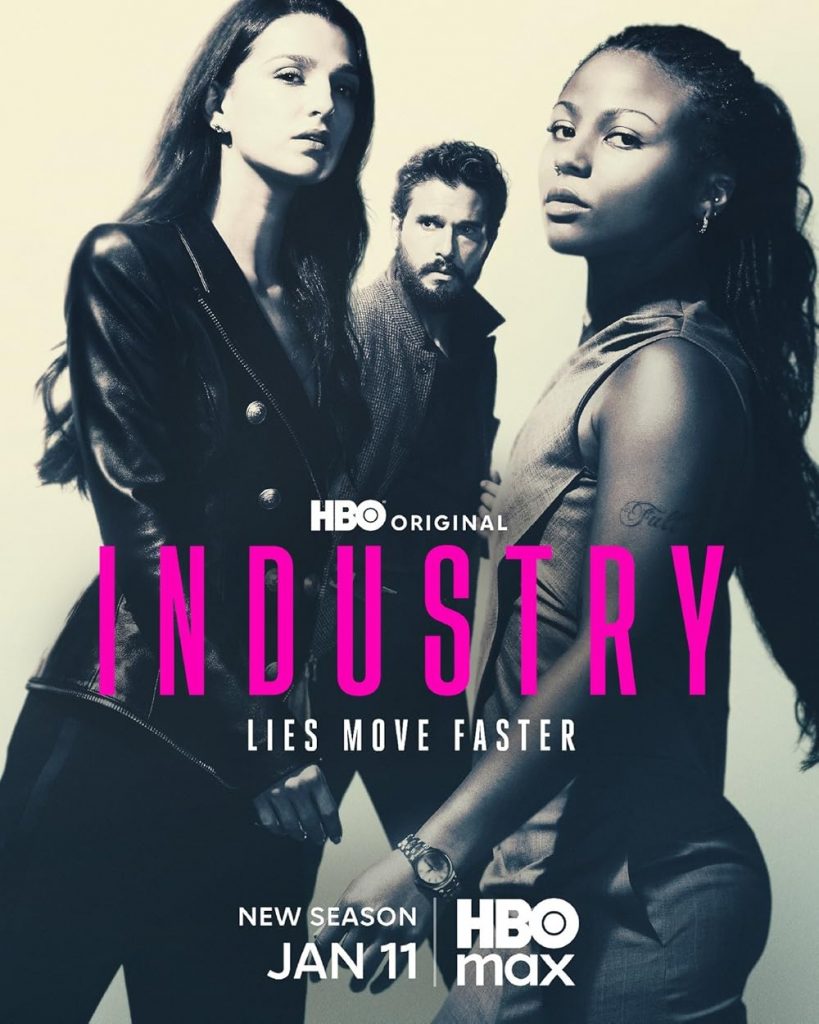
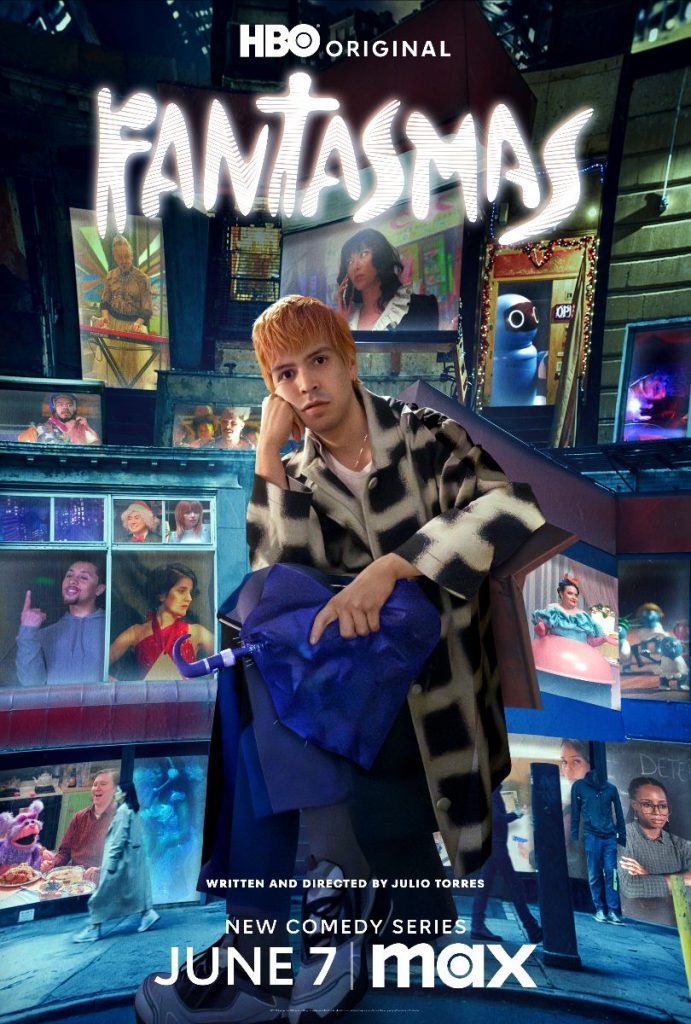
very consciously consumed digital media this week (related & not):

Leave a Reply