Category: Uncategorised
-
Positions through essaying: Video essay
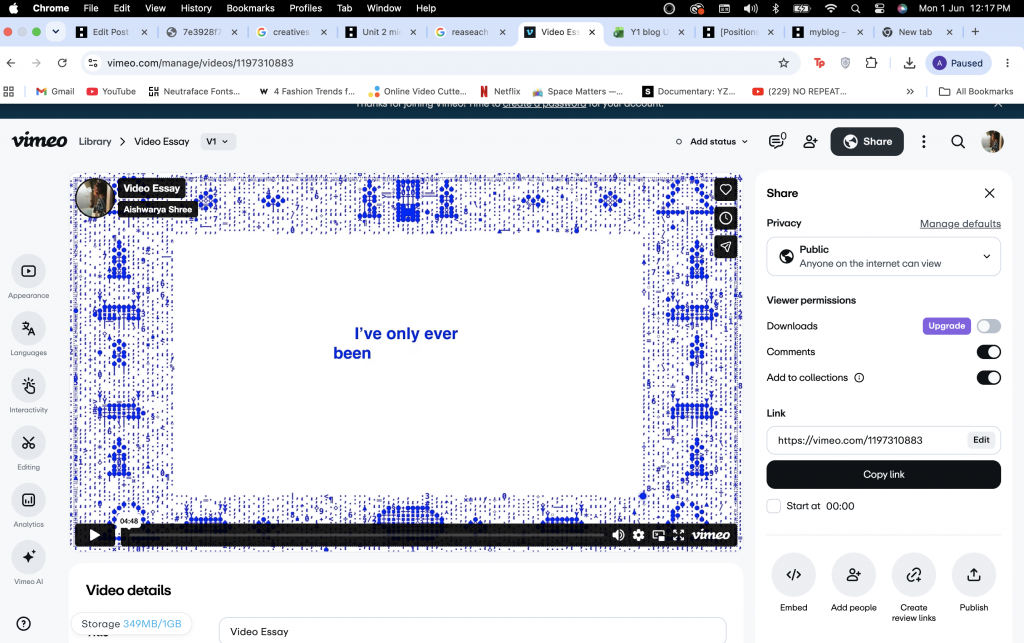
Date and Time, sometime after the upload, captured in the screenshot above.
-
Positions through contextualising: Written Response(s)
In addition to the six references presented for the Positions Through Iteration brief, I expanded the contextual grounding of the current project by incorporating six additional references developed through Positions Through Contextualising. This includes two references explored through critical analysis alongside three interviews conducted as part of my primary research to further inform the direction of the project. Please find them below:
Here’s the link to the previous six references, presented in a table with academic citations and contextual details that were initially collected during Positions Through Iteration and later expanded upon throughout Positions Through Contextualising: LINK
Here are all of the same references compiled into a single PDF: -
Positions through iterating: Development
WEEK 1 & 2
All Assets:
The Phone Book:
Visit the Museum of Flattened Indian Identities here:
Taking this further, I want to focus more on the visual aspect of the artefacts, drawing from canon Indian memetic events rather than random reels, and giving them a more considered form, possibly moving them outside the digital realm into physicality. I would also like to properly brand the exhibit.
-
Positions through iterating: Written Response(s)

My current line of enquiry, during the course of this project, shifted from being introspective of how I react to my Indianness online to being sceptical of whether the internet even allows for me to understand being Indian through it. Are we accurately represented (we’re not), and if not, what does that mean for our ever-growing relationship and reliance on the internet and subsequent digital systems? I’m also thinking through this in terms of a kind of neocolonial structure, where identity continues to be shaped, filtered, and circulated through dominant Western frameworks. Is there a way to fight this or find our place within these systems, or are they by their very nature unable to accommodate us?
I’m exploring these questions through making, working with poor images, memes, reels, and parallelly-viewed indian artefacts that mimic processes of compression, remix, circulation, and archiving. The work looks at how a “glitch” identity (queer people, people of colour, female-identifying people) is flattened, recoded, and made legible within these systems.
My enquiry was informed by the following references, in case the PDF is not legible please go to the link Here to read the spreadsheet IRL.
-
SPRING BREAK DIARY: “hand-edited” and speculations on digital design futures
a trip to brighton and its unforeseen implications for my practice as a digital designer
i took my leica out to london summer with me, the fabled london summer, the one i’d spent six months hearing about but never quite believing in. i’m from delhi; i know what winter is supposed to feel like. what i got instead, for the better part of a year, were sunless months that nearly broke me. not the cold—i can do cold—but the grey. my friends and i took a train to brighton, where the warmth finally hugged me. we got food and drinks, and almost comfortably spent five hours mounted on brutalistic stones.
i came back feeling jazzed, ready to work. i dreamt about filmmaking. felt straight out of an andré aciman novel, sun-drunk and full of plans. then i remembered i pay for a claude subscription and decided to let it edit the video footage i got of brighton to make a travel documentary. my instructions, verbatim: “make it look like it’s shot on an expensive film camera, film-festival style. edit it so it looks hand-edited.”
hand-edited. hand-edited.
sounded almost like “handcrafted.” “hand-embroidered.” “hand-done.” these are phrases that belong on the tags of expensive things: objects that want you to know, before anything else, that a human being has touched them.
i’m doing my master’s in graphic-communication design at central saint martins, which means i spend a probably unhealthy amount of time thinking about what happens to my trade when the machines get good enough. the discourse, at the moment, is mostly defeated. people are bracing rather than adapting. and while the anxiety makes sense, and has always made sense whenever a new technology threatens an old skill, i can’t stop myself from looking for the version of the story where it works out. where there’s still room for the person who does the thing by hand.
so here’s the question i can’t put down: now that i’ve specifically asked a.i. to make something look “hand-edited,” does that make me—a hand editor myself—a luxury resource?
the parallel is craft. when machinery was introduced to textile production, people were opposed, worried, and for the right reasons. they would lose their livelihoods, and they did. but what happened after? in india, the handloom sector still employs over 3.5 million weavers, making it the country’s second-largest employer in the unorganised sector after agriculture (ministry of textiles, fourth all india handloom census, 2019–20). and yet the average monthly income of a handloom weaver hovers around five thousand rupees, roughly fifty pounds. craft remains stubbornly inexpensive to produce, given india’s exploitative relationship with its own labour, but it has become expensive to mean. it is kept alive in narrative by the privileged and their costly educations, which train them to romanticise what came before, and by their need to own something singular, something made from blood, sweat, and tears. craft, in this sense, has become a luxury good. not because of what it costs to make, but because of what it signals to own. something you get to have when you have everything else. something the élite want precisely because it no longer makes sense for the common person to bother with. an artifact of gatekept taste.
i know this, because i’ve been on the wrong side of it. when i was much younger, i bought myself a chikankari kurta from janpath in delhi. when i got it home, my mother frowned. “this is machine work,” she said. i dismissed her. assumed she was hating from outside the club of machine work, not knowing which club i was actually standing outside of. years later, i was working at a luxury fashion publication when someone glanced at the same kurta and asked, casually, “but this is machine work, no?” i had outed myself as middle class and, by implication, not entirely worthy of being in the room. what i understood then, and what i wish i’d understood at janpath, is that the line between machine and hand has never really been about quality. it’s about who can read the difference, and what that reading says about you.
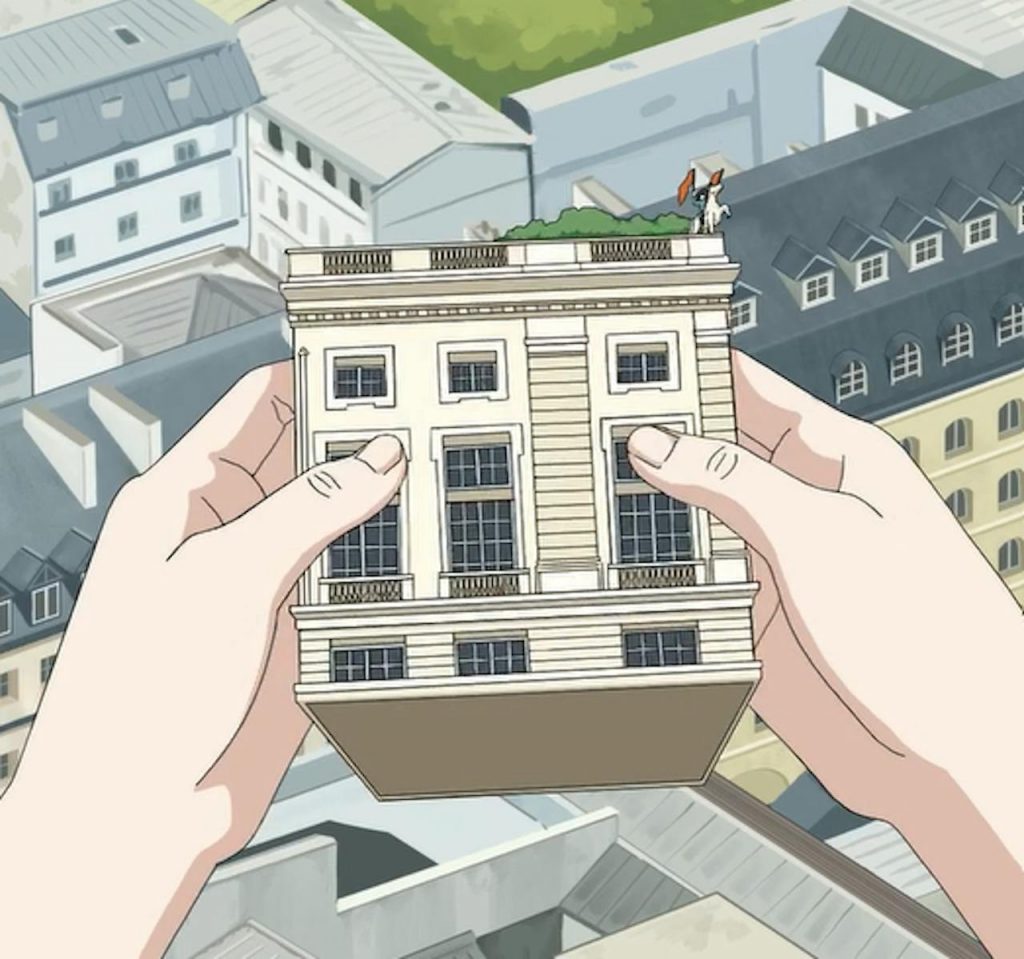
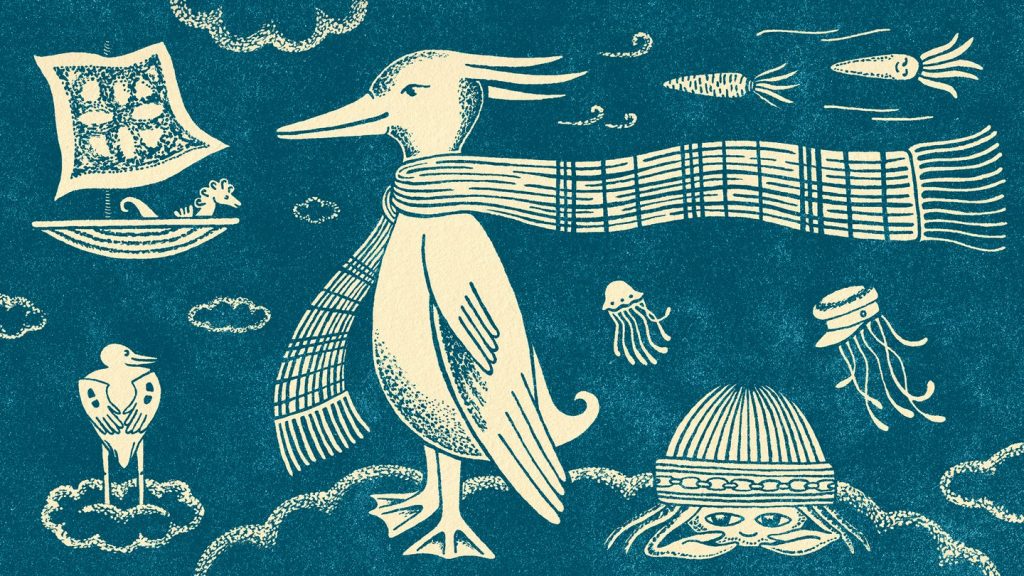
this same sorting is now playing out across luxury fashion, in real time. dolce & gabbana—a house not typically associated with the “classy” set, and comfortable with that position—has been open about embracing a.i.-generated imagery. hermès has gone the other way entirely. they refuse to indulge in anything produced at the speed of instant ramen, and this applies to their campaigns as much as their products. in 2025, Hermes commissioned nearly fifty artists to create hand-illustrated, hand-animated content for instagram alone. annie choi, an animator whose portfolio includes studio ghibli and loewe, made viral reels in which objects unfold into surreal, handmade dreamscapes. maría jesús contreras, a chilean surrealist, turned their products into technicolour hallucinations. for their 2026 “venture beyond” campaign, they handed the entire visual identity to linda merad, a pen-and-ink illustrator whose work has appeared in the new york times and the atlantic. she drew twelve illustrations for the homepage. twelve. by hand. while other houses are cutting campaign turnaround to hours, hermès is spending months on a single illustrator’s vision.
and this gets me to time. time is the only indicator of wealth that a.i. cannot replicate. you can generate an image in four seconds. you can edit a film in a minute. you can produce a hundred logo variations before lunch. but you cannot fake the hours. i’m being led to believe that as long as time remains the primary marker of value, human-made digital design can’t fully go out of business. it can, however, end up where craft and print ended up: in the lap of the rich.
references:
ministry of textiles, government of india. fourth all india handloom census 2019–20. new delhi, 2020.
merad, linda. “venture beyond.” hermès campaign, 2026. itsnicethat.com/articles/linda-merad-hermes-illustration-project-090426
“hermès keeps the creative fires burning: nearly 50 artist commissions in 2025.” luster magazine, july 2025. lustermagazine.com
“hermès’s hand-illustrated website is the ultimate luxury.” fast company, 2026. fastcompany.com/91471305
“madonna & photographer steven klein called out for ai-generated dolce & gabbana video.” just jared, 24 feb. 2026. justjared.com
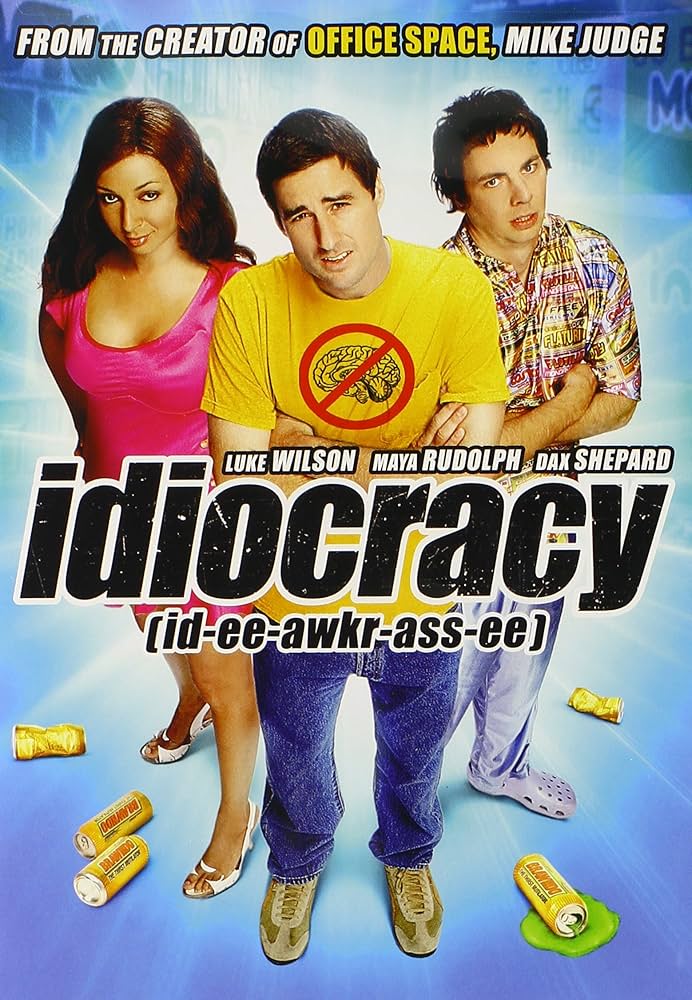
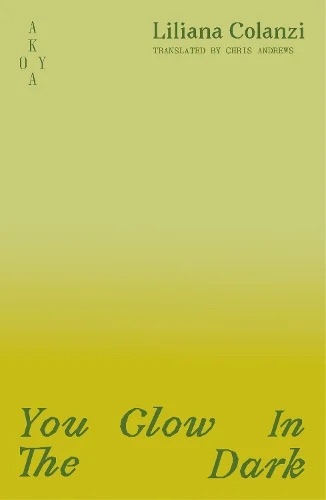
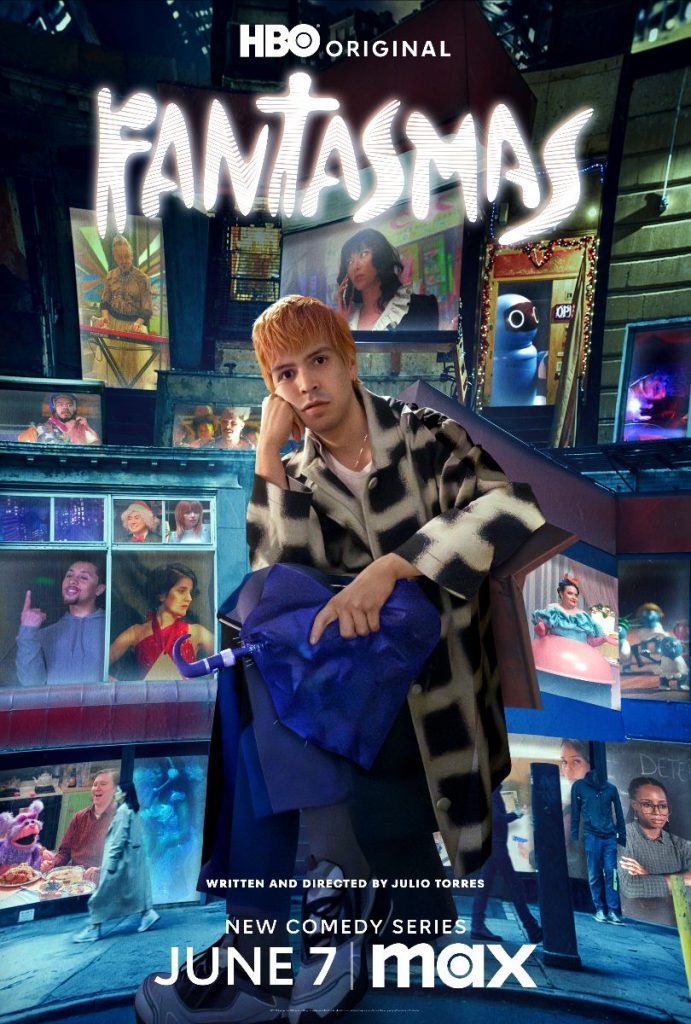
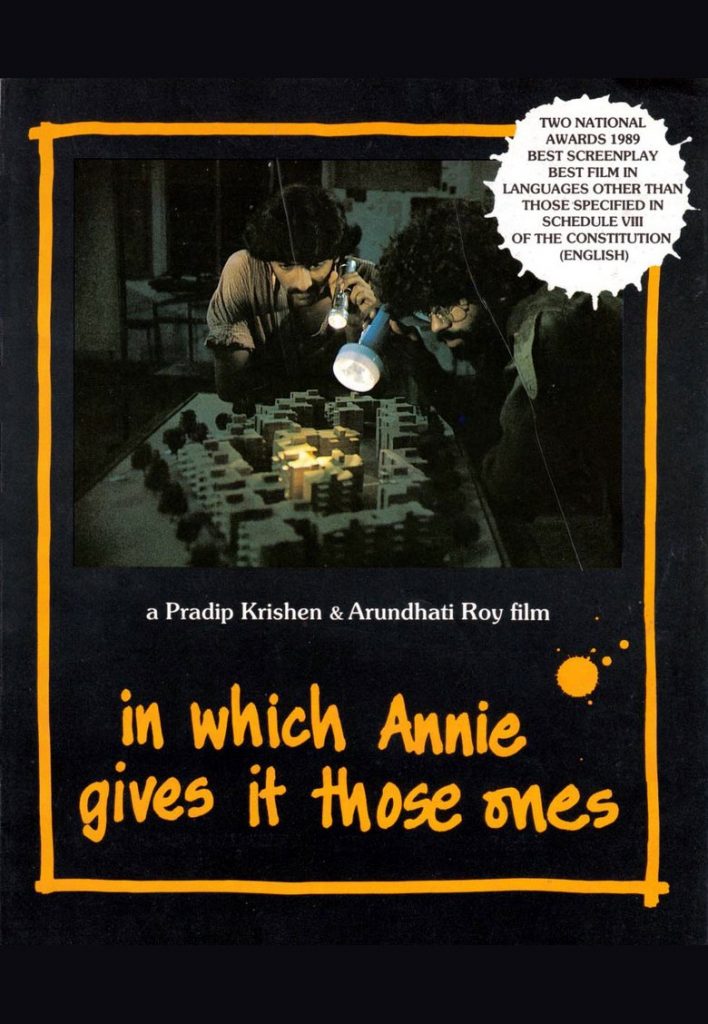
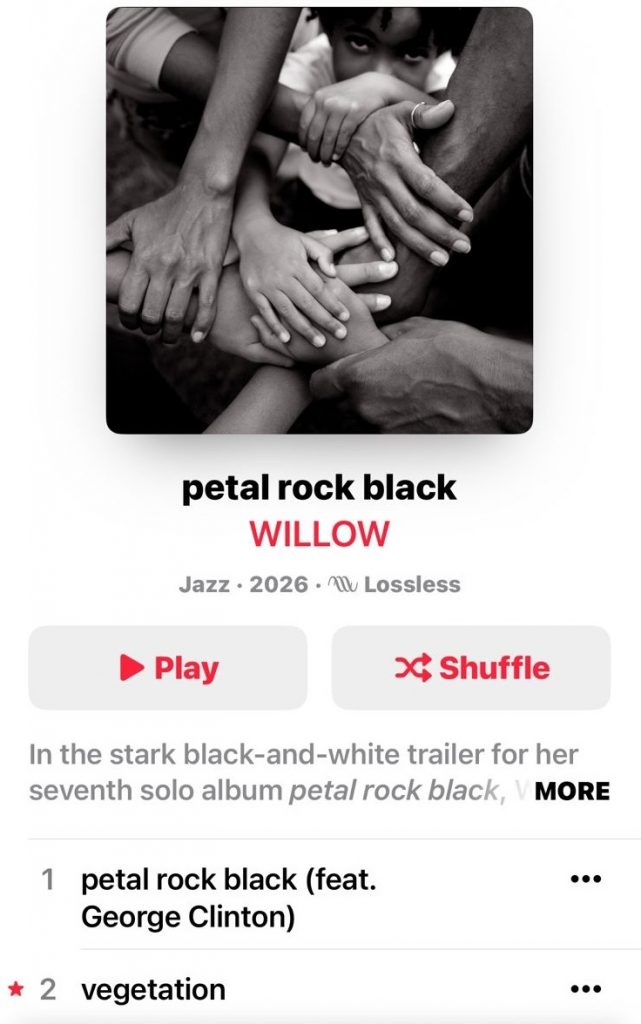
very consciously consumed digital media this week (related & not):

-
SPRING BREAK DIARY: project hail mary, scattered refuge, and bonus audio-visual experiments
watching Project Hail Mary, interrogating migration as a mode of problem-solving, and developing film-inspired audio-visual work using GarageBand and Claude Code
“just stop your crying, it’s a sign of the times… we gotta get away from here,” says Harry Styles. it’s just practical. when things get bad, you leave.
but last i checked, not all of us are allowed to leave. people like Harry Styles, Ryan Gosling, they can leave. so much so, they are allowed to leave the planet if it ever comes to that. good for them. i wonder what exactly i did to not deserve the same privilege.
movement is not a romantic idea. it is basic survival. birds move, animals move, bacteria move. life does not stay somewhere that is killing it out of loyalty. it leaves.
so when Project Hail Mary sends a man across galaxies to fix a dying sun, it doesn’t feel wild. it feels like common sense. of course you go somewhere else, take what you need, and come back, or don’t.
so why can’t i move my family out of delhi? to a walkable city where i can breathe AND make money? why does that feel excessive when interplanetary escape feels logical?
in imagined communities by Benedict Anderson, nations are not natural, they are constructed. so what exactly are we being asked to stay loyal to when a place becomes unliveable? the land, or an idea that benefits the same people every time? and if it is just an idea, why does it trap us so effectively? why is leaving not equally allowed, especially when staying can kill you?
oxygen is, quite simply, life’s first birthright. the basic deal. but in delhi, breathing clean air is not a given anymore. in today’s world some people breathe easily, others don’t, and it is not random.
the people most responsible are fine. they always are. in fact, they are planning their next exit. new cities, new systems, new planets. the same white men who extracted everything here now want first access to whatever comes next.
so when space gets colonised, what exactly are they taking with them? just survival, or the same entitlement that made survival unequal in the first place? will there be ownership before there is even life? will they divide land that does not yet exist? will the rest of us be told, again, to stay where we are and endure it?
and then there is this other thought that won’t leave me alone. it feels like people have become so obsessed with moving forward that they refuse to look at what they are leaving behind. “degrowth” is no longer interesting to me, it feels necessary. like the kind of knowledge you should have before you’re allowed to keep participating in this system.
the signs of our times are obvious. empathy and community are dismissed as feminine, weak, optional. violence and extraction are treated as competence.
so when will men actually take responsibility for the damage they keep producing? when will they stop turning their ignorance into something the rest of us have to survive? when will they shut up about borders?
i worry for rocky. i hope he stayed back on erid and didn’t come to earth to drop off grace. humans would have either dissected him or turned him into an immobile god. that’s what we do. this species is run by its traitors. we would never have shown up for him the way erid did for grace.
experiment phase 1: intuitively building soundscapes inspired by space travel & the movie
experiment phase 2: i’m exploring claude code and its capabilities. after i was done with the soundscape, i asked it to generate moving visuals that respond to the music, prompting mostly generic interpretations like bioluminescence and orbs. i kept it simple and direct, given what i know of its limitations and mine.
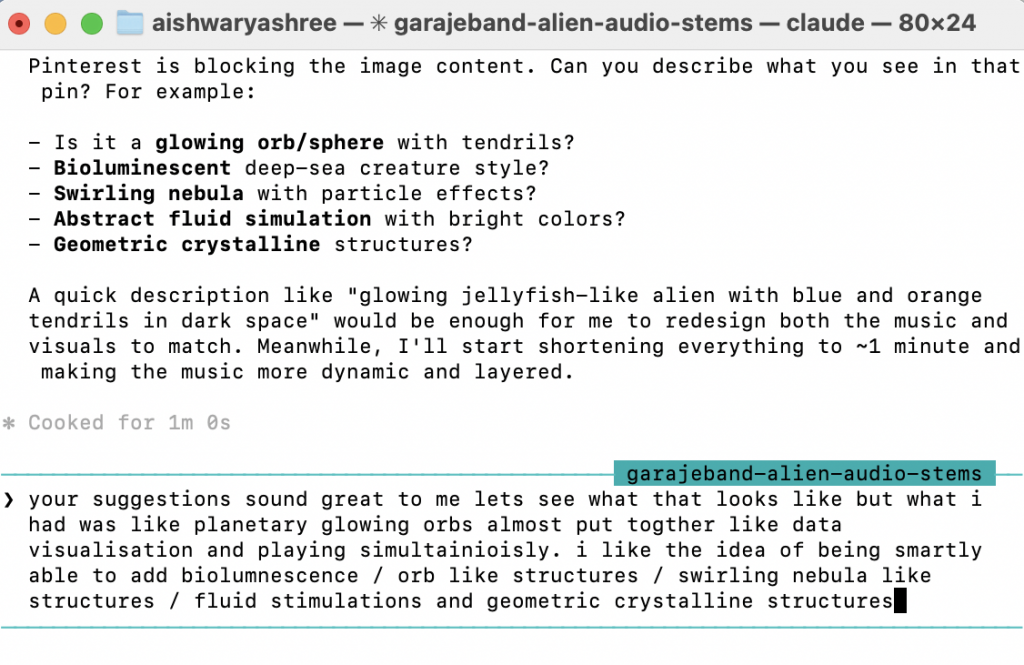
the result:
experiment phase 3: i tested whether claude code could replicate references. i provided a detailed description of the green gaseous planet and the astrophage collection process (in red), along with linked images.
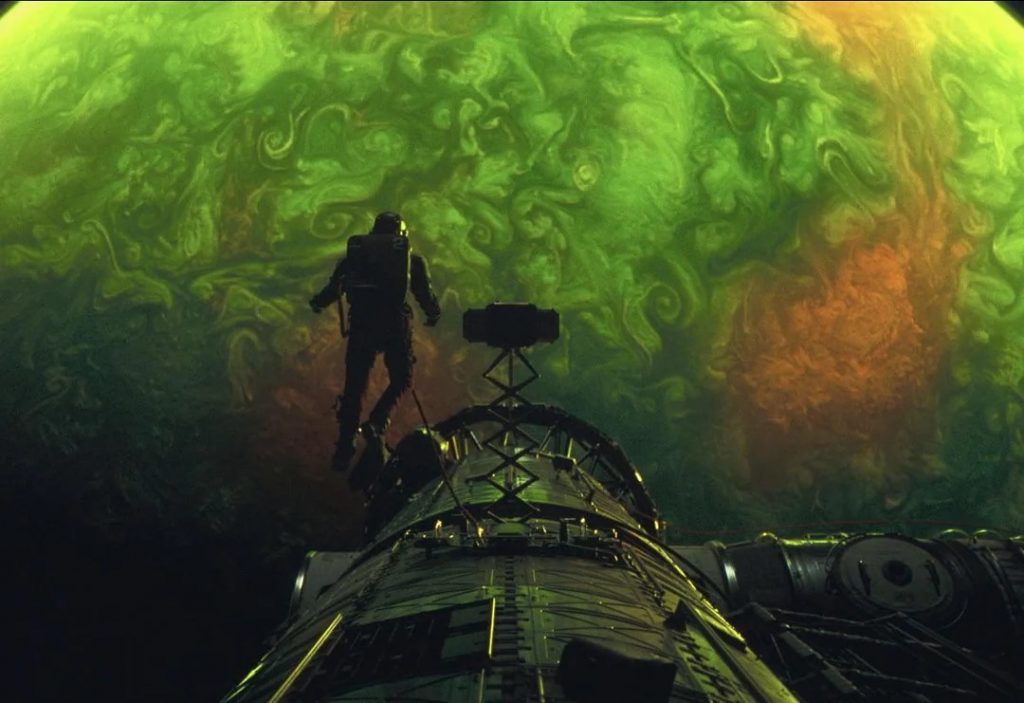
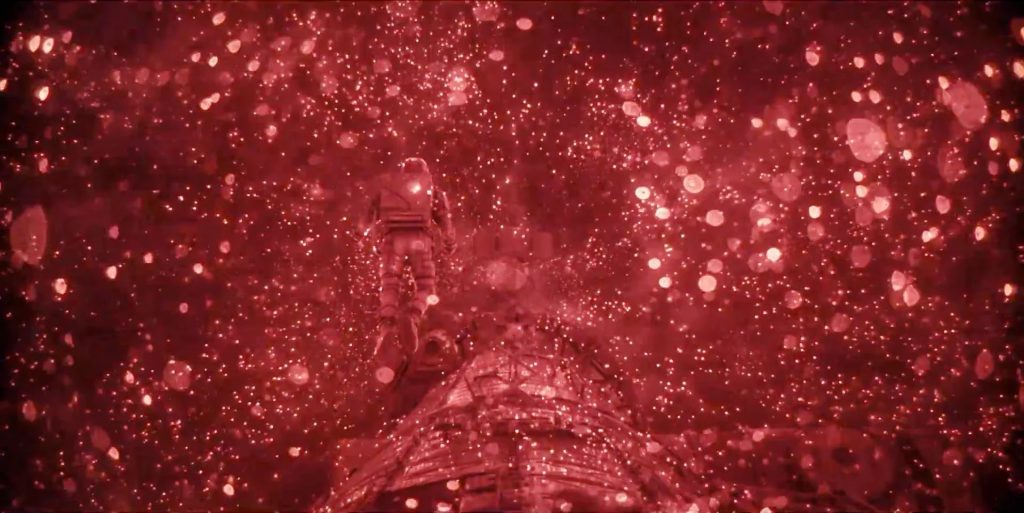
close enough:
play them together: